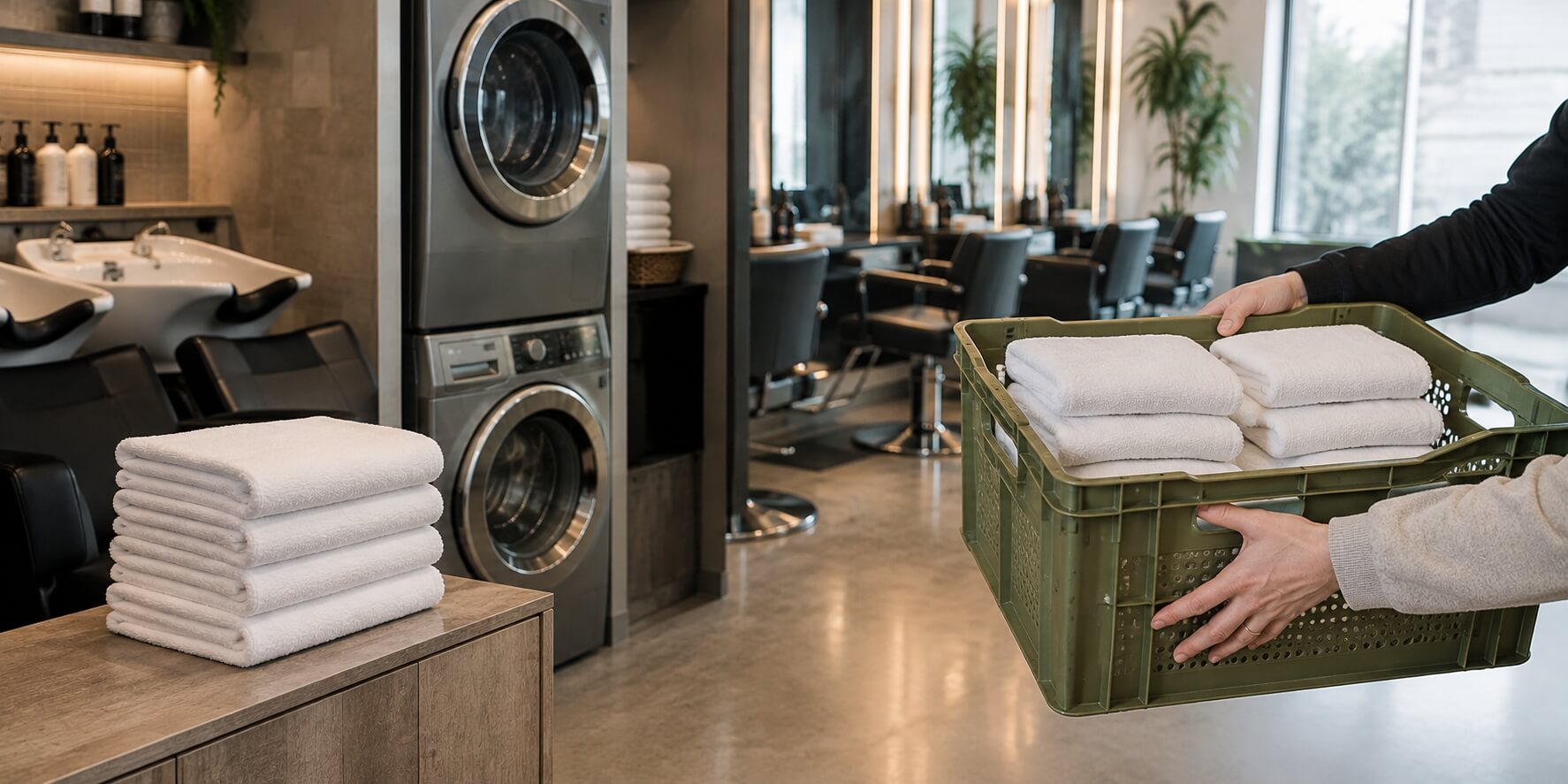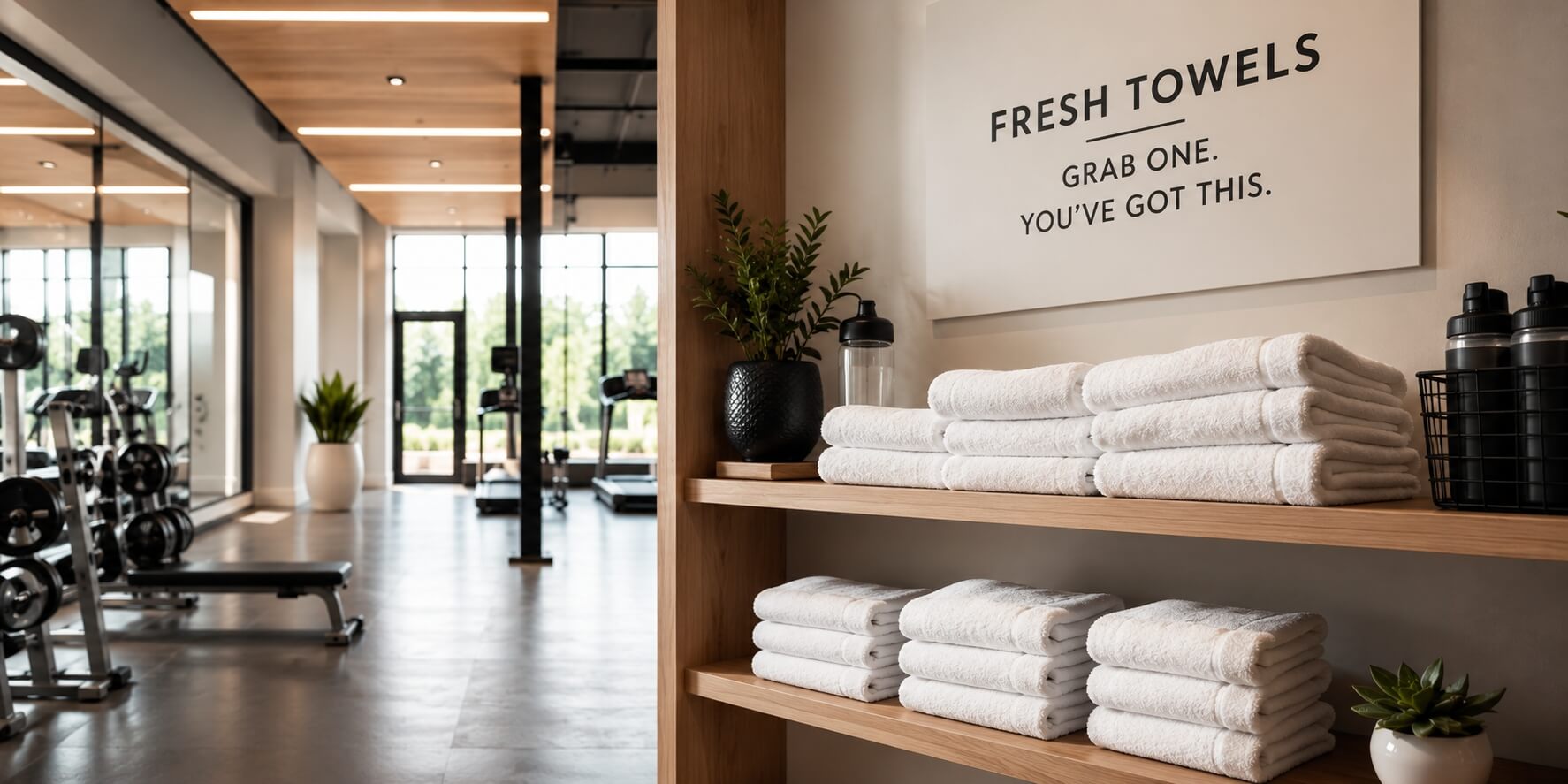
Ask ten gym owners what they spend on towel service and you’ll get ten different numbers — and half of them are guessing.
Towels feel like a small line item. They’re not. Left unmanaged, they quietly eat into margins through over-ordering, laundry contracts nobody renegotiated in three years, and “temporary” losses that become permanent. Get it right, and towel service becomes one of the cheapest member-retention tools you have.
Here’s what it actually costs, what drives that cost up or down, and how to budget for it like an operator — not a guesser.
Why Towel Service Costs More Than People Think
Most new gym owners price towel service by “cost per towel” and stop there. That’s the mistake. The real budget is a stack of five things:
- Purchase or replacement cost of the towels themselves
- Laundering — in-house labor and utilities, or an outsourced laundry contract
- Loss and damage — towels that walk out the door or wear out early
- Storage and handling — bins, shelving, staff time to fold and distribute
- Compliance and hygiene — especially relevant if you offer sauna, steam, or spa services
Skip any one of these in your budgeting and you’ll underestimate your real cost by 20–40%.
What’s the Real Monthly Number?
For a mid-sized gym or boutique studio (150–400 active members), most operators land in one of three tiers:
| Model | Typical Monthly Cost | Best For |
|---|---|---|
| In-house wash, owned towels | $300 – $700 | Smaller studios with laundry space and staff bandwidth |
| Outsourced commercial laundry service | $600 – $1,500 | Mid-size gyms wanting predictable, hands-off service |
| Full-service rental (towels + laundering + replacement) | $900 – $2,200 | Larger gyms, multi-location chains, or premium clubs |
Numbers scale with member count, towel turnover (how many touches per towel per day), and whether you offer extras like hot towels, hand towels at every machine, or spa-grade bath sheets.
A simple rule that holds up across most facilities: budget roughly $2 to $5 per active member per month for towel service, all-in. If you’re landing well outside that range, it’s worth auditing why.
The Hidden Cost Nobody Budgets For: Shrinkage
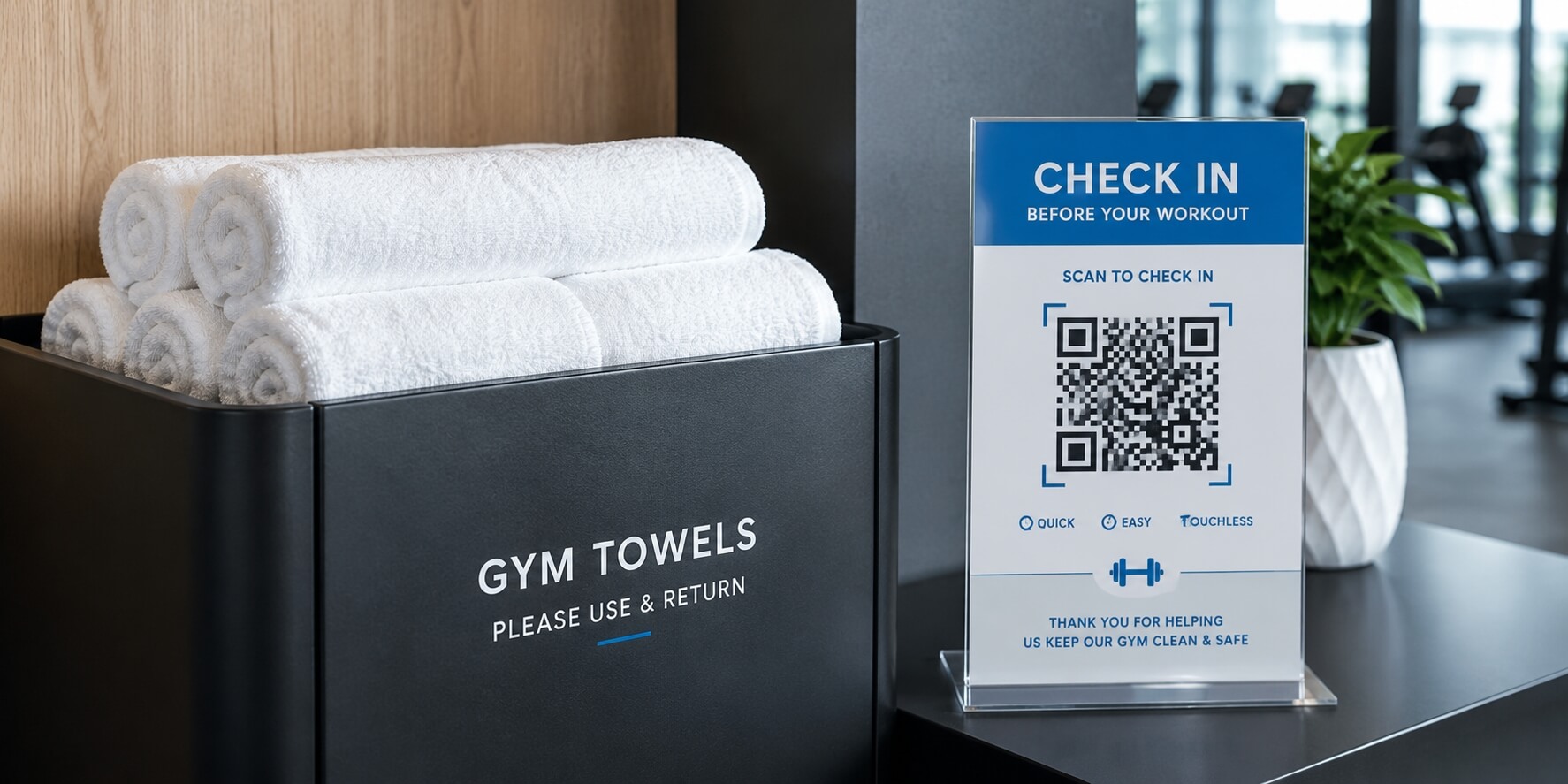
Towel loss (theft, damage, or towels that simply never come back) typically runs 10–20% of your total towel inventory per year. Gyms that don’t build this into their budget end up “surprised” every quarter when they’re reordering stock that should have lasted twice as long.
The fix isn’t better locks. It’s simple systems: towel check-in/check-out counters, visible signage reminding members towels stay on-site, and periodic inventory counts. Facilities that implement even one of these cut shrinkage by roughly a third.
Cost Levers You Actually Control
If your towel budget feels bloated, these are the four places to look first:
Towel weight and material
Lighter, faster-drying towels cost less to launder and dry quicker for faster reuse.
Rotation frequency
Swapping stock (front desk vs. locker room vs. studio floor) evens out wear so you’re not replacing one batch constantly while another sits idle.
Contract terms with your laundry vendor
Many gyms are locked into per-pound pricing that hasn’t been renegotiated in years. Ask for volume-based tiers.
In-house vs. outsourced
The crossover point is usually around 300–350 active members; below that, in-house is often cheaper, above it, outsourcing usually wins on labor cost.
Why This Line Item Is Worth Getting Right
Towel service sits in a strange spot: it’s invisible when it works and glaringly obvious when it doesn’t. A damp, understocked towel bin is the kind of small friction that shows up in churn data three months later, disguised as “the gym just didn’t feel as nice anymore.”
Budgeting properly for towel service isn’t about spending more. It’s about spending predictably, so it stops being the thing that quietly drags on your margins or your member experience.
The Bottom Line
Don’t budget towel service by guesswork or last year’s invoice. Budget it by member count, real usage patterns, and a clear-eyed look at shrinkage. Do that, and it becomes one of the most controllable costs in your entire facility — not one of the most surprising.